OPINION • POLITICS
The Weaponisation of Hearsay: How the Anti-Rajapaksa Diaspora Manifested a Political Sabotage
An argument for evidence, due process and balanced scrutiny when politically charged allegations move from domestic debate into international forums.
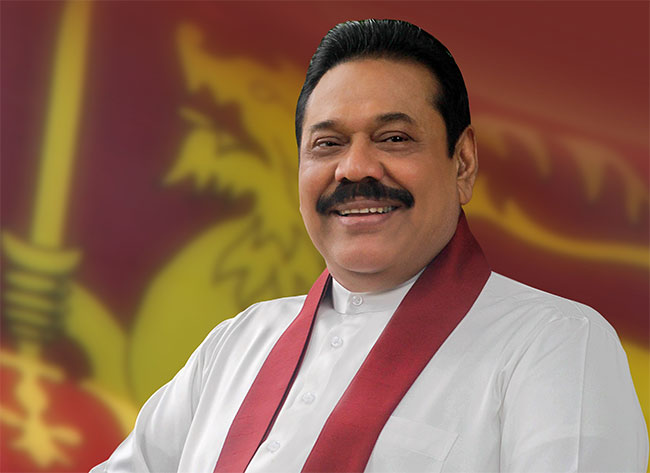 Mahinda Rajapaksa • Editorial image
The Anatomy of a Diaspora-Driven Campaign
For years, Sri Lankan politics has been a battleground not just of ballots, but of competing narratives. Among the most enduring and fiercely contested is the legacy of the Rajapaksa family. Supporters argue that some international campaigns targeting the family have moved beyond legitimate criticism and accountability into an effort to erase their political legacy.
That argument focuses particularly on diaspora advocacy and lobbying at international forums. Critics of those campaigns contend that anonymous testimony, disputed reports and historical grievances can become amplified through institutions and media before the underlying claims have been tested to the standard expected in a court of law.
Hearsay, Evidence and Due Process
There is an important distinction between information used by human-rights investigators and evidence admissible in criminal proceedings. Anonymous or second-hand accounts may identify matters requiring investigation, but they should not automatically be treated as judicial findings.
Three concerns deserve particular scrutiny: unverified testimony that cannot readily be challenged; repetition of allegations until they are perceived as established fact; and guilt by association, where complex wartime events are attributed to individuals without establishing personal responsibility.
At the same time, the demand for stronger evidence must apply equally to every side. Allegations that diaspora organisations are coordinating political sabotage also require evidence. Political disagreement, advocacy or lobbying alone does not establish a conspiracy.
Accountability Must Not Become Political Elimination
Human-rights accountability is legitimate when it is grounded in credible investigation, evidence and due process. It becomes dangerous when accusations are treated as convictions, or when accountability mechanisms are used selectively to decide who is entitled to participate in democratic life.
Sri Lankan voters, not overseas political campaigns, ultimately decide the country's elected leadership. International institutions nevertheless have a legitimate role in examining human-rights concerns where their mandates permit it. Those two principles can coexist if the same standards of evidence and fairness are applied consistently.
A Need for Balanced Witness
Sri Lanka's history should be examined without political immunity and without predetermined guilt. International bodies, governments, advocacy groups, political parties and media organisations all deserve scrutiny when they make serious claims.
The strongest answer to contested allegations is not another untested allegation. It is evidence: identify the claim, establish its source, test it independently, allow a meaningful response and distinguish clearly between allegation and proven fact.
Disclaimer: The views and opinions expressed in this article are those of the author and do not necessarily reflect the official policy or position of Lanka Witness.